








 Loading...
GAME INFO
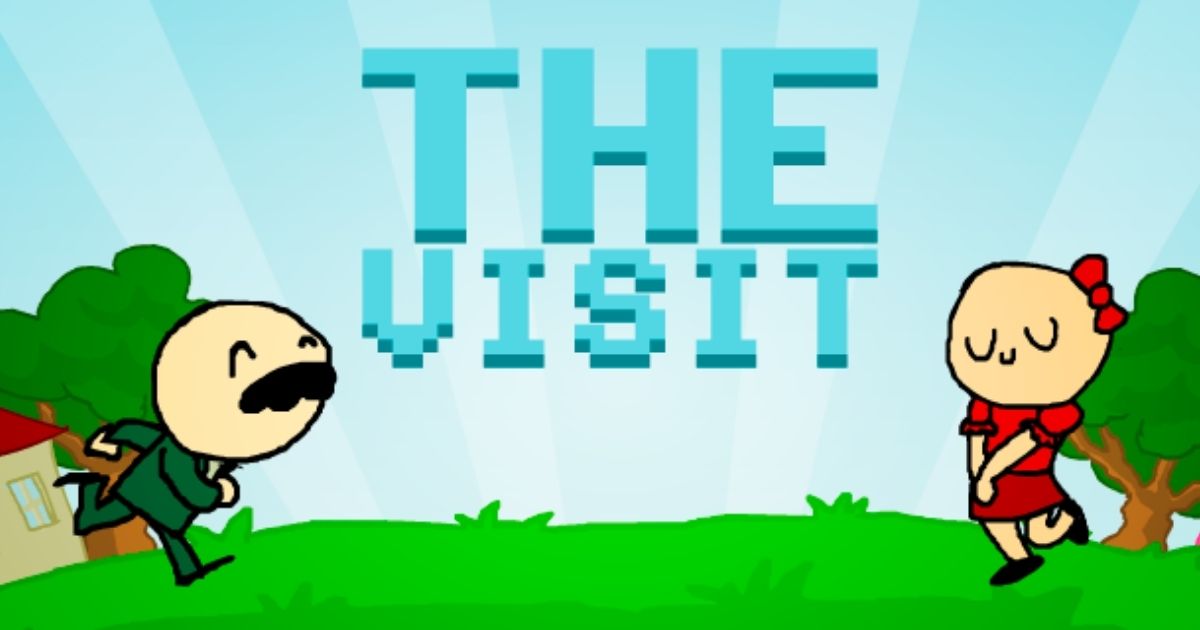
The Visit is a short narrative platform game about a man walking to visit his girlfriend, with choices and consequences built around what happens on the way. The basic goal is to reach your girlfriend while navigating the environment and discovering how your actions affect the outcome. You can use this guide to understand the controls, core mechanics, difficulty and practical ways to improve before starting a session on Crazy Games Unblocked. The game is built around side-scrolling movement, jumping, environmental interaction and branching consequences. Its appeal comes from a clear objective, quick feedback and a learning curve that rewards better timing and decision-making.
Game Overview
The Visit fits the short platform adventure genre. A normal session focuses on side-scrolling movement, jumping, environmental interaction and branching consequences. It is best suited to players who like short experimental platformers, dark humor and multiple outcomes.Quick Facts
| Game | The Visit |
|---|---|
| Genre | Short platform adventure |
| Developer | Major Bueno (Marius Fietzek and Benedikt Hummel; background art by Irina Gross) |
| Publisher | Not publicly confirmed |
| Release Date | 2012 |
| Platform | Browser, desktop-focused |
| Controls | Arrow keys to move and jump. |
| Difficulty | Easy to Medium |
| Modes | Single-player |
What Is The Visit?
The Visit is a short narrative platform game about a man walking to visit his girlfriend, with choices and consequences built around what happens on the way. Your main objective is to reach your girlfriend while navigating the environment and discovering how your actions affect the outcome. A typical round or run asks you to use side-scrolling movement, jumping, environmental interaction and branching consequences while adapting to the immediate situation. What separates the game from more conventional titles in its genre is how strongly its simple rules shape the moment-to-moment challenge. The controls are approachable, but consistent results require understanding momentum, timing, space or probability depending on the game.Key Features
- Focused short platform adventure gameplay.
- Clear objective built around reach your girlfriend while navigating the environment and discovering how your actions affect the outcome.
- Controls that can be learned quickly.
- Short feedback loop that makes retries easy to understand.
- Challenge driven by side-scrolling movement, jumping, environmental interaction and branching consequences.
The Visit Controls
Arrow keys to move and jump. Use deliberate inputs rather than pressing everything at once. Most mistakes come from losing control of timing or position, so it helps to make one clear action and then read the result before committing again.How to Play The Visit
- Start the game and choose an available mode.
- Learn the movement or action controls before trying advanced tactics.
- Focus on the main goal: reach your girlfriend while navigating the environment and discovering how your actions affect the outcome.
- Use the game's core systems carefully: side-scrolling movement, jumping, environmental interaction and branching consequences.
- Avoid the main failure condition, which is losing control of the round, being defeated, falling, missing the objective or allowing the opponent to finish first.
- Repeat rounds and adjust your timing based on what caused the previous failure.
Difficulty and Progression
The overall difficulty is best described as easy to medium. The game is short and is designed around replaying to discover different outcomes rather than character upgrades. From an editorial perspective, the difficulty usually rises because the player is asked to make the same basic actions with less margin for error. Familiarity with the controls therefore matters more than trying to play aggressively from the first minute.The Visit Tips and Strategies
- Move carefully around the crabs instead of treating them as normal enemies.
- Use short jumps so you can control where you land.
- Pay attention to how the game reacts to your actions.
- Replay after finishing to test different choices.
- Avoid rushing through screens where a small mistake changes the outcome.
- Treat the story consequences as part of the puzzle.