


Who is the inventor of Pacman and why Pac-Man was created
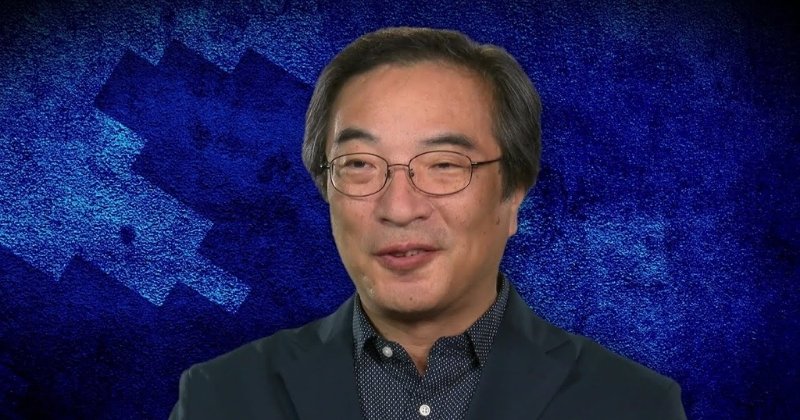
Toru Iwatani is the Japanese designer behind Pac-Man and the answer to who is the inventor of Pacman. He created the game as a nonviolent alternative to many early arcade hits and wanted it to welcome a broader audience. Pac-Man got its identity from a mouth-based visual, the Japanese sound of eating, and a small set of clear gameplay objects.
Pac-Man first reached players in 1980 through a location test, a public release in Japan, and then a wider launch abroad. Its simple design and lasting influence are why Pac-Man still matters today, and the full story of who is the inventor of Pacman is explained below on Crazy Blocked Game.
Who is the inventor of Pacman?
Toru Iwatani is the designer most directly credited with creating Pac-Man while working for Namco in Japan. That is the core fact behind one of the most searched Pac-Man questions online. Iwatani led the original concept and gave the game its direction, tone, and identity. His role is the reason his name remains central in nearly every serious history of Pac-Man.
The full development story includes more than one person. Pac-Man was completed by a small team, not by a single creator doing every task alone. Other team members handled key work such as programming and sound. Even so, Iwatani remains the person most closely linked to the invention because the main idea and the creative vision came from him.
That distinction matters. In game history, “inventor” usually points to the person who shaped the original concept and turned it into a recognizable experience. In Pac-Man’s case, that person was Toru Iwatani.
His influence can still be seen in the game’s most memorable features, which is one reason who is the inventor of Pacman remains such a common question. The bright ghosts, the simple maze, the easy-to-read objectives, and the light tone all reflect the kind of game he wanted to make.
Pac-Man did not become famous by accident. It became famous because the design was focused from the start.
Why Pac-Man was created
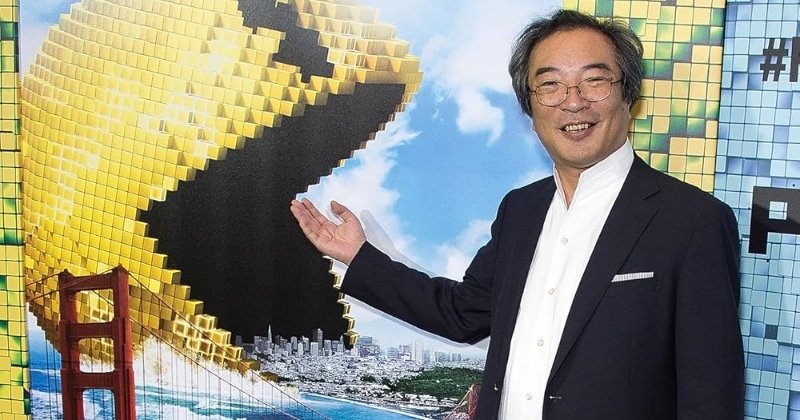
Pac-Man was created to be a friendly, nonviolent game that could appeal to more people than many early coin-op titles. When Iwatani began work on the project, many popular games were built around war, sports, or shooting.
He wanted something different. He wanted a game that felt approachable at a glance and enjoyable even for players who were not drawn to aggressive themes.
That goal shaped the whole project. Pac-Man was built around eating, movement, and timing instead of destruction. The ghost enemies were colorful and playful rather than frightening. The maze was easy to understand, but it still had enough tension to keep players engaged.
The wider audience mattered too. Iwatani has often been associated with the idea of making the game more inviting to women and couples at a time when many gaming spaces felt male-focused. That helps explain why Pac-Man looked and felt different from many competitors in the arcade scene.
A few design choices made that idea work so well:
- It replaced combat with eating.
- It used cute ghost characters instead of violent enemies.
- It gave players a clear goal within seconds.
These choices changed how people thought about what a hit game could be. They also help explain who is the inventor of Pacman and why Toru Iwatani still matters in game history.
Pac-Man showed that simple, readable, and friendly design could be just as powerful as noise, speed, or violence.
How Pac-Man got its name and design
Pac-Man got its name and design from a simple mouth image and the Japanese sound idea behind eating. That clear concept is one reason who is the inventor of Pacman remains such a common search today.
The most famous origin story says the character came from a pizza with one slice missing. That image helps people understand the shape right away. It is simple, visual, and easy to remember.
At the same time, the design is also tied to the Japanese character for a mouth and to Paku p\Paku, an expression that describes the motion of opening and closing the mouth while eating.
That sound idea also explains the name. If someone searches for a Pacman acronym, the better answer is that Pac-Man is not an acronym at all.
The title came from the sound and motion of eating. Earlier versions of the name were closer to Pakkuman and Puck Man before the better-known international title settled into Pac-Man.
The gameplay followed the same logic. The main pacman items were easy to understand from the first few seconds. Dots gave players a clear objective. Power Pellets created short bursts of control by letting Pac-Man chase ghosts. Bonus fruit added reward without making the rules harder to follow.
That mix of clarity and tension is a big reason the game lasted. Players did not need a long tutorial. They could look at the screen, move through the maze, and understand the main goal almost instantly. The design looked simple, but it was carefully built to stay memorable.
When did Pac-Man come out?
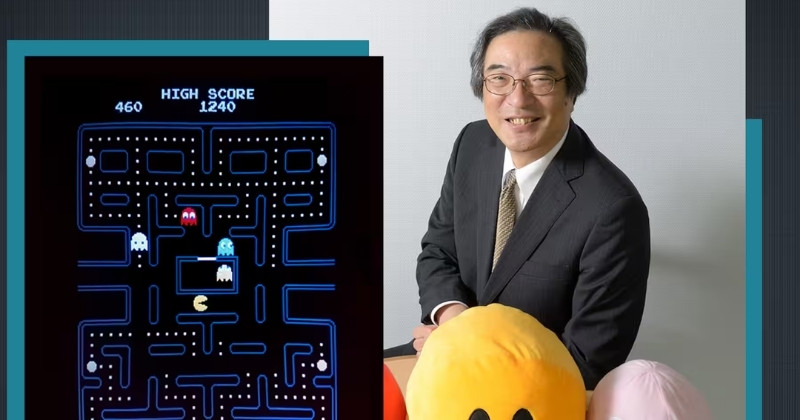
Pac-Man came out in 1980, though the exact date depends on which part of the release timeline you mean. For readers searching when did Pacman come out, the short answer is 1980. The longer answer is more useful.
Pac-Man first appeared in location testing on May 22, 1980, followed by a public release in Japan in July and a U.S. release in October. That timeline is why different search results sometimes show different dates, depending on whether they focus on the first test, the Japanese launch, or the wider international rollout.
The main point is simple. Pac-Man belongs to 1980, and it became a major hit very quickly after that. The concept was strong, the character was memorable, and the timing worked in its favor. That timing is also part of why who is the inventor of Pacman remains a common search, because readers often want the creator and release history together.
Its release period also helped it stand out. Arcades were already busy and competitive, but Pac-Man felt lighter and more welcoming than many surrounding titles. That difference made it easier to notice and easier to remember.
Why Pac-Man still matters today
Pac-Man still matters because it proved that simple mechanics, strong character design, and broad appeal could create a lasting global icon. Many classic games are respected by historians but fade from general culture, but Pac-Man did not. It moved beyond one machine, one decade, and one audience.
Its impact is still easy to see today. Pac-Man helped define mascot-driven game design and showed that a game could be easy to learn without feeling empty. It also proved that a nonviolent idea could become a huge commercial success.
The game’s influence goes beyond nostalgia. Pac-Man still works as a design lesson today. It teaches the value of clarity, visual identity, and focused rules. Every part of the game supports the same central action.
Nothing important feels wasted or hidden. That lasting influence is also part of why who is the inventor of Pacman continues to attract attention.
That is why the search who is the inventor of Pacman still matters now. People are not only asking for a name. They are tracing the start of one of gaming’s clearest and most durable ideas.
FAQs about who is the inventor of Pacman
Here are a few common questions readers ask after learning who is the inventor of Pacman. These quick answers cover the most searched details about the creator, the game, and its history.
Who is the real creator of Pac-Man?
Toru Iwatani is the real creator of Pac-Man. A small team helped finish the game, but the original concept and overall design direction came from him.
What does Toru Iwatani do now?
Toru Iwatani is best known today as a veteran game designer and educator. He has also been associated with teaching and speaking about game design in Japan.
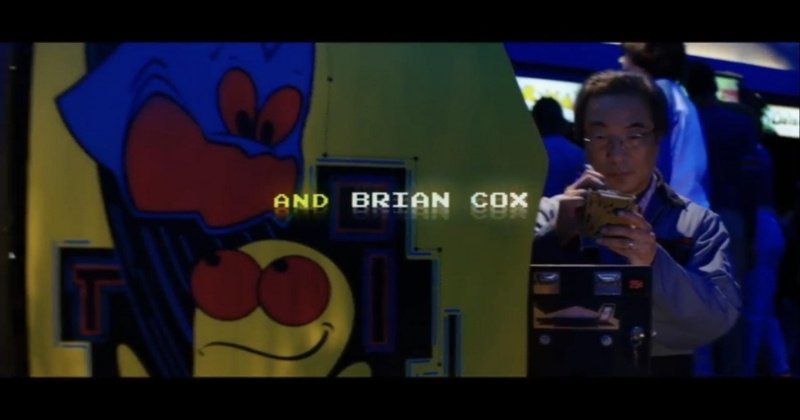
Was the creator of Pac-Man actually in Pixels?
Yes, but only in a limited way. An actor played Professor Iwatani in the film, while the real Toru Iwatani is known for a cameo connection to Pixels.
Is Packman a Japanese game?
Yes. Pac-Man is a Japanese game created by Namco in Japan. “Packman” is simply a common misspelling of the official name.
Who is Pac-Man?
Pac-Man is the yellow maze-running hero of the Pac-Man series. He first appeared in the 1980 game and became one of the most recognizable characters in video game history.
Does Pac-Man have eyes in the game?
In the original maze sprite, Pac-Man is drawn in a very simple way. In later official art and later versions of the character, he is clearly shown with eyes.
Is Pac-Man Japanese?
Yes. Pac-Man is Japanese in origin because the original game was created in Japan by Namco and designed by Toru Iwatani.
Conclusion
Who is the inventor of Pacman? Toru Iwatani is the creator most directly responsible for Pac-Man, and his work still matters because it joined simple play, clear design, and broad appeal in one lasting idea.
The story behind Pac-Man’s origin, name, release, and influence shows why it remains one of the most important classics in gaming history. Read more retro game guides and related posts on Crazy Blocked Game.